An Introduction to Building Bridges To Common Ground
If we’re going to have a shot at living together peacefully, we need to understand each other.“
— Jonathan Haidt
Ever since I was a kid, I’ve always been interested in how things work (or sometimes, don’t work). But back in 2016, I was especially puzzled about a phrase I kept hearing people say during the US Presidential race between Donald Trump and Hillary Clinton. It was this:
“How could you possibly vote for [fill in the blank]?”.
It didn’t matter which side they were on–everyone had the same incredulous, confused tone in their voices. Now, I know there have always been disagreements about who to vote for–that’s part of how democracy works. But what struck me then was that people weren’t just disagreeing–they genuinely could not understand how someone else could possibly come to such a bizarre conclusion. It’s like we were living in different realities.
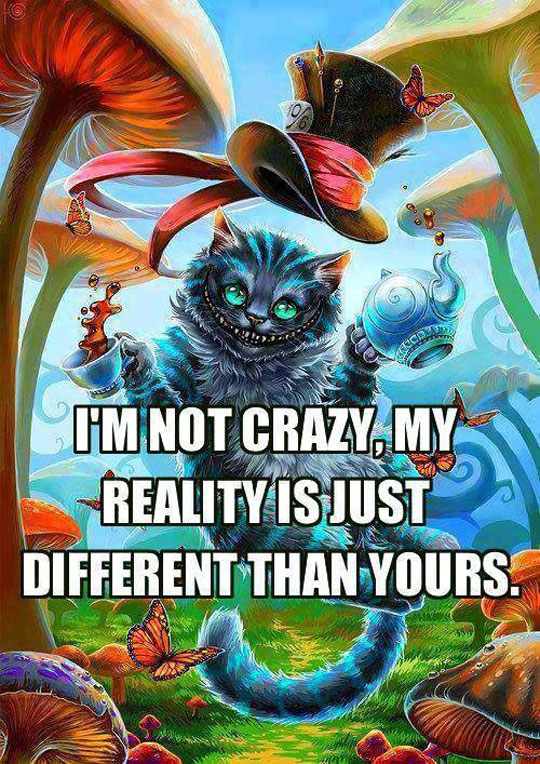
And of course, it hasn’t gotten any better since then…it’s continued to ramp up. How did we get so divided? And is there a path to finding our way back to some common ground? That’s the basic concept behind this blog series. And of course, this idea is not limited to politics. We experience deep differences and misunderstandings in our work environments and in our attitudes about how kids should be educated, our opinions about health and wellness, the use of technology, environmental perspectives, and many other issues.
One thing we all have in common: we need to make daily decisions about how we will live our lives each day. And our collective answers to those questions have a lot to do with how well we’re going to be able to live together. Where do we get our ideas and why does there seem to be so many differences in how we answer the fundamental questions we face?
What This Series Is All About:
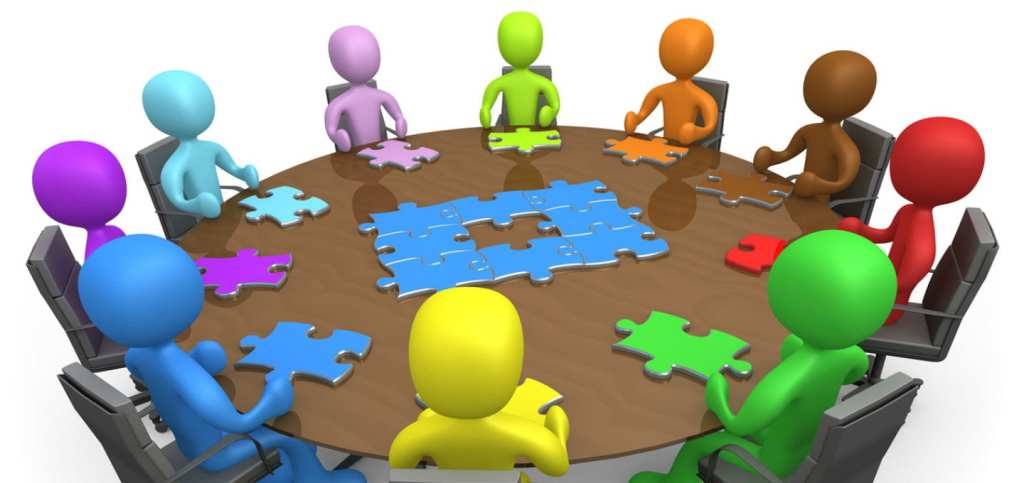
In this Building Bridges series, I’m going to explore the dynamics of how we can encourage change by having more productive conversations with people we disagree with, so we can reach some common ground where we can all live together and–even better–collaborate on improving our lives. I believe we can do much better than we have been, but we will need to build new skills and attitudes if we want to get there. Obviously the way we’re used to doing things is not working very well–I think almost everyone would agree with that.
This process starts with yet another set of simple questions: Can we really change someone else’s mind? If so, how? And are we open to having our own minds changed? (That last one may be the toughest challenge of all.)
These questions have taken on extra significance as our society grows increasingly polarized. Like many of you, I’ve watched friends and families divide over politics, witnessed the erosion of trust in our shared institutions, and felt the growing difficulty of having meaningful conversations across differences. Over time, what I’ve discovered is that there are some patterns behind this chaos—understandable reasons why humans behave the way we do, why society has evolved to where we are today, and most importantly, how we might chart a better course forward together.
I’m not suggesting that I have all the answers – I don’t! But what I can do is share a number of useful ideas from a lot of smart people I have stumbled across over the years. I’m interested in sharing these ideas with other curious, thoughtful people who have similar questions about why humanity often has such a hard time living together and how we might do better at that.
I’m not trying to sell you on anything, or get you to agree with me. I’m not here to persuade you that you are right, or that you are wrong. And the goal is not necessarily to get everyone to agree, which is likely to be impossible. Instead, the hope is to try to learn how to find each other around common values and concerns, so we can at least move forward together.
Topics We’ll Explore:
My plan is to explore three interconnected areas that help explain how we think, believe, and relate to one another:
How Humans Process Information
Understanding our “lizard brain” versus our “wizard brain,” how stories are more persuasive than facts, and why it’s so hard to change someone else’s mind.
Group Identity & Behavior
Our tribal nature, the problem with identity labels, and the moral foundations behind political differences.
Bridging Divides
Practical approaches to better conversations, techniques for genuine understanding, and building connections across differences.
An Invitation For You:

Warren Bennis once said, “None of us is as smart as all of us.” This isn’t just a collection of my observations—it’s an invitation to a conversation. At the end of most posts, I’ll ask: “What do you think? What am I missing?” Because I certainly don’t have all the answers, but I do believe in the power of collective wisdom.
I hope you’ll join me in this exploration, add your own insights, and help build understanding. Because finding our way back to connection doesn’t require us to agree on everything—just to see each other more clearly.
What questions are you hoping this blog might address? Which aspects of our divided world puzzle you the most? What do you think it will take to get people who disagree to at least have constructive conversations? Feel free to add your thoughts below.





 Building Bridges To Common Ground