

Mattering: The First Step In Building Bridges
Episode 11 of The Building Bridges Series
3-minute read
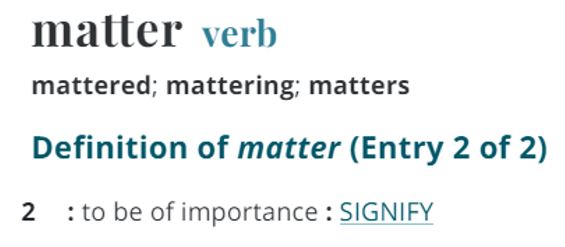
After food, water, shelter, and physical safety, what do humans need most? According to decades of psychological research, the answer is clear: we need to matter.
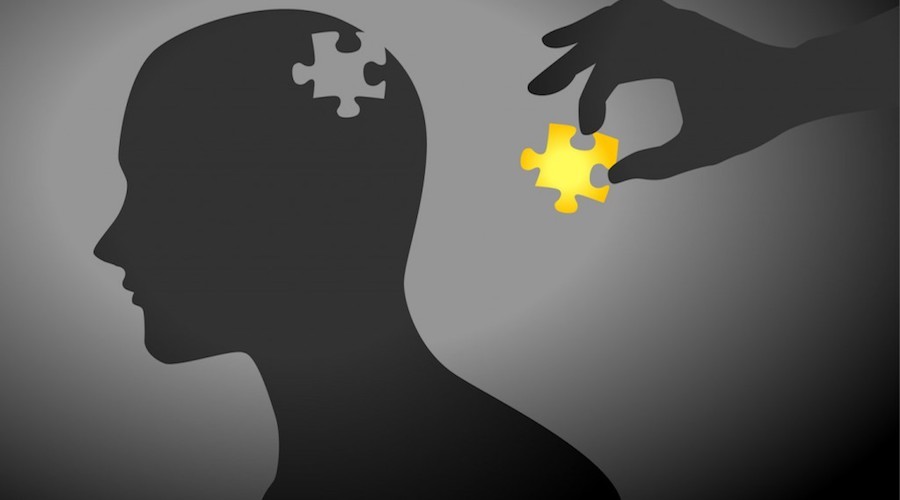
We need to feel valued by others, to know that our presence makes a difference, and to believe that someone would notice if we disappeared. This isn’t vanity or selfishness—it’s one of the most fundamental human motivations, right up there with our basic survival needs.

Understanding “Mattering”
Psychologists define Mattering as having three key components:
Feeling valued: Others care about you and appreciate who you are
Adding value: Your actions or presence make a positive impact
Social integration: You belong in relationships or communities
This concept appears prominently in Maslow’s famous Hierarchy Of Needs, which you may remember from some psychology class in school. The theory is that once our basic physiological and safety needs are met, we’re driven by the need for love and belonging, followed closely by esteem needs–respect from others, recognition, status, and a sense of accomplishment. In other words, we need to feel like we matter.

Remember my earlier post about tribal identity? Our tribes aren’t just about shared beliefs—they’re also about Mattering. When we find “our people”, we receive a powerful message: you belong here, you’re valued, you matter to us. And if it seems like a group we belong to is being ignored, it’s likely to feel like we are being disrespected, too.
What Happens When We Feel Like We Don’t Matter
The opposite of mattering isn’t simply being alone—it’s feeling invisible, ignored, as if you literally don’t matter to anyone. And this is where grievance grows.
When people feel like they don’t matter, resentment builds. That resentment can turn to anger, then rage, and eventually aggression—whether physical violence or the aggressive pursuit of power. We may turn to extreme measures in an attempt to get this need filled. Research shows that lack of mattering is also linked with loneliness, depression, anxiety, and even suicidal thoughts.
Think about the political and social conflicts we’re experiencing right now. Many of them stem from groups of people who feel ignored, dismissed, or treated as if their concerns don’t count. When people feel they don’t matter to the broader society, they become receptive to leaders and movements that promise to make them visible again, to give them back their sense of significance. And since this is a basic human response, this happens whether you lean towards the conservative or liberal side of the political spectrum.
This connects to our earlier discussion about The Trust Crisis. When institutions seem unresponsive or dismissive, people don’t just lose faith in those institutions—they feel personally devalued. The message they receive is: “You don’t matter enough for us to listen to you.” And that causes resentment.
Mattering and Our Divided Society
Understanding the need to matter helps explain some of our current social divisions. When we dismiss someone’s concerns as ignorant or irrational, we’re not just disagreeing with their ideas—we’re sending a message that they don’t matter, that their experiences and perspectives aren’t worth considering.
This is why the beautiful questions I discussed in an earlier post are so powerful. When you ask someone “What experiences shaped your thinking on this?” or “Help me understand your perspective,” you’re communicating something fundamental: You matter. Your story matters. I’m taking the time to understand because you’re worth understanding.
On the other hand, when we lecture rather than listen, or when we respond to someone’s deeply held beliefs with contempt or dismissal, we reinforce their sense that they don’t matter to “people like us.” This pushes them further into tribal identities where they do feel valued. And that creates even more polarization, which is definitely not helpful.
Building Bridges Through Mattering
If we want to bridge our divides, we need to help people on all sides feel like they matter:
Listen genuinely: Make sure people feel heard, even when you disagree. Use those beautiful questions to show that their perspective is worth understanding.
Acknowledge concerns: You don’t have to agree with someone’s solutions to validate that their concerns are real and important.
Find common ground: Focus on shared values and goals—the things we all want for ourselves and our communities.
Create opportunities for contribution: Help people see how they can make a positive difference, whether in their immediate community or in broader conversations about social issues.
When grievance is addressed—when people feel they genuinely matter—it can build bridges instead of walls. But when it’s ignored or dismissed, it festers and divides. By now we’ve all seen where those feelings can lead.
Next time you encounter someone whose views frustrate or baffle you, remember: they need to matter just as much as you do. The question isn’t whether their need is legitimate—it is. The question is whether we can find ways to help everyone feel valued while still working toward the common good.






 Building Bridges To Common Ground
Leave a comment