
Your Creation Story: How Origin Myths Shape Our Worldviews
Episode 10 of the Building Bridges Series
4-minute read
Every culture across human history has developed stories to explain how the world began, how humans came to exist, and what our place is in the bigger picture. These creation stories aren’t just interesting tales—they’re powerful frameworks that shape how entire societies view themselves and their relationship to everything around them.
But here’s something you might not have considered: You have your own creation story too. And it influences your thinking far more than you probably realize.
The Creation Stories We All Know
Most of us are familiar with at least a few traditional creation myths:
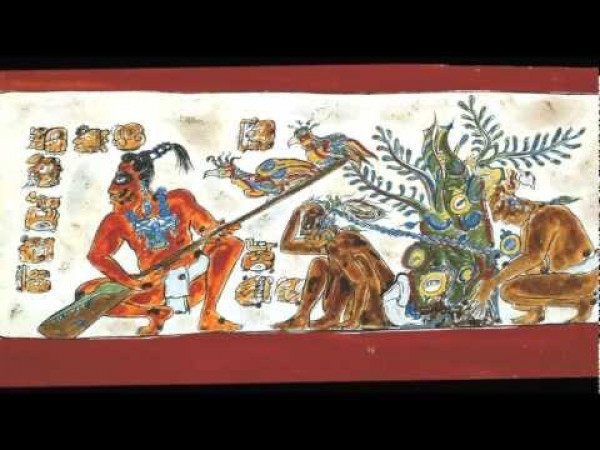
- In many indigenous traditions, the world emerges from primordial waters or is built upon the back of a giant turtle
- In the Judeo-Christian tradition, God creates the world and everything in it over six days, culminating with the creation of humans
- In scientific accounts, the universe begins with the Big Bang and life evolves through natural selection
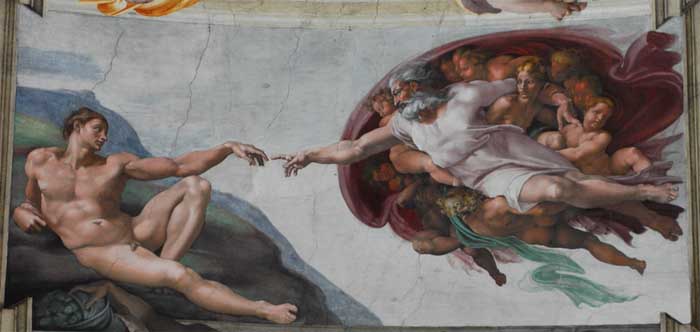
These grand narratives answer fundamental questions: Where did we come from? Why are we here? What is our relationship to other living things?
How we answer these questions matters enormously because they form the foundation of our worldviews and, as a practical matter, how we think we should live.
Mother Culture’s Whispers
Philosopher Daniel Quinn introduced the concept of “Mother Culture”—the voice that has been in your ear since birth, explaining how things came to be the way they are.
Mother Culture speaks so continuously and so intimately that her voice is indistinguishable from our own thoughts. She tells us what’s normal, what’s natural, what’s inevitable, and what’s possible.
Consider how different cultures tell stories about humanity’s relationship with nature:
- Some creation stories position humans as caretakers, with a responsibility to maintain balance with other living things
- Others depict humans as having dominion over nature, with the right to use resources as we see fit
- Still others portray humans as just one species among many, neither superior nor inferior
The story you absorbed—often without realizing it—shapes how you think about everything from climate change to gun control to immigration policy. And it has a big influence on your beliefs about how the world is supposed to work.
Your Personal Creation Myth
Beyond these cultural stories, each of us develops a personal creation myth that explains:
- How the world works (Is it fundamentally fair or unfair? Abundant or scarce?)
- Human nature (Are people basically good, basically bad, or something else?)
- Your own place in the world (Are you an agent of change or a victim of circumstance?)
These personal myths usually operate below the level of conscious awareness. We don’t think of them as “stories”—we simply consider them “how things are.”
How Creation Stories Shape Our Thinking
Our creation stories influence us in powerful ways:
- They tell us what’s possible: If your creation story says humans are naturally competitive and selfish, you’ll see cooperation as difficult or temporary.
- They establish moral frameworks: Creation stories explain not just how things are, but how they should be.
- They determine what questions we can ask: Some questions don’t make sense within certain creation frameworks. Others are considered dangerous or taboo.
- They create blind spots: The aspects of reality that don’t fit our creation story become nearly impossible to see.
As Seth Godin puts it, a good definition of the word Culture is, “People like us do things like this.” Creation stories often contribute a foundation for that, and can end up limiting our thinking.
Examining Your Creation Story
The key to greater awareness isn’t necessarily abandoning your creation story—it’s recognizing that it is a story, not an objective reality.
Try asking yourself:
- What creation stories did I absorb from my family, education, and culture?
- What aspects of the world do these stories emphasize or neglect?
- How might my view of current issues change if I considered a different origin story?
When we recognize our creation stories as narratives that we can examine rather than immutable truths, we gain the freedom to consider different perspectives and possibly write new chapters.
What creation story has shaped your worldview? Have you ever experienced a moment when you realized a fundamental story you believed wasn’t the only possible explanation? What changed for you after that? Feel free to add your story below.
If you’re interested in exploring more creation myths from around the world, you’ll find a dizzying collection of origin stories at this Wikipedia page.







Leave a comment