

The Bias We All Have, But Don’t Realize It
Episode 27 of the Building Bridges Series
3-minute read
George Carlin had a classic bit about driving: Did you ever notice how everyone going slower than you is an idiot, and everyone going faster than you is a maniac?
It’s a great joke because we recognize it as true–and it doesn’t apply to just driving. Swap “speed” for “opinion” and you’ve basically described how most of us move through political disagreements. Anyone more conservative than you is heartless. Anyone more liberal than you is idealistic and maybe a little dangerous. You, of course, are just being reasonable.
That’s naive realism at work, and odds are you didn’t even notice it was there. That’s kind of the point.
What Is Naive Realism?
Naive realism is the quiet assumption that you see the world exactly as it is. Not your interpretation of it. Not your version of it. The actual, objective truth, plain and unfiltered. And
And here’s where that leads: if you see things clearly, then anyone who disagrees with you must be missing something. Maybe they don’t have all the facts. Maybe they’re being irrational. Maybe they’ve got an agenda. Whatever the reason, they’re the problem, because you’re just reporting reality as it is.
The catch is that the person on the other side of the table is having the exact same thoughts about you.

Everyone’s Wearing the Same Invisible Glasses
We touched on a similar idea in an earlier post about confirmation bias: we all filter information through glasses we don’t realize we’re wearing. Naive realism is what happens next. It’s not just that we filter reality, it’s that we’re fully convinced we’re the one person in the room who isn’t filtering. We’re just seeing things as they really are.
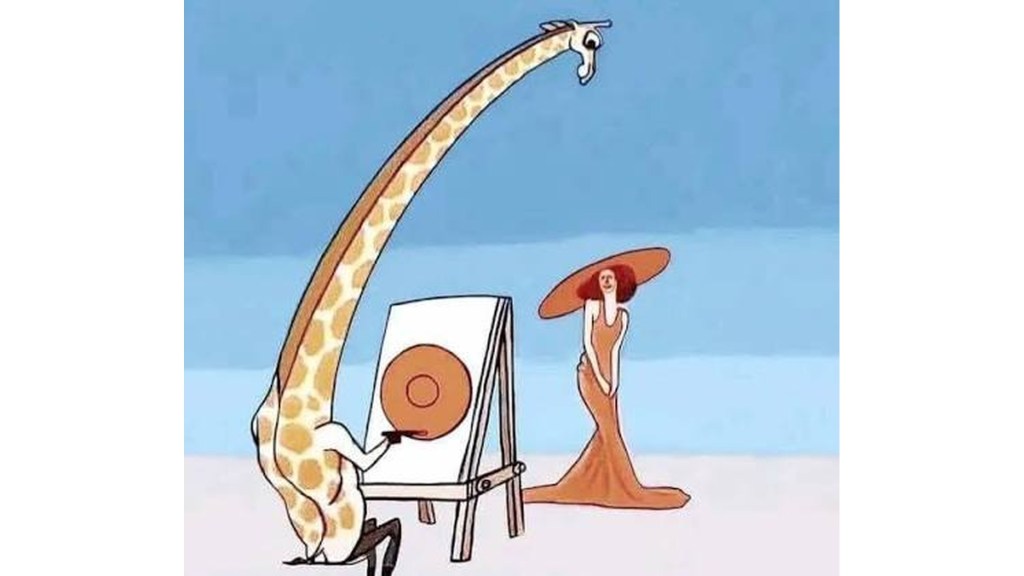
Picture two people looking at the same room and disagreeing about what color it is. Each is wearing tinted glasses, but the tint is invisible from the inside. It just looks like clear glass. So each person assumes they’re describing the room accurately, and concludes the other person’s “glasses” must be the problem.
Neither one can see their own tint. That’s what makes it naive.
Why This Makes Arguments So Much Worse
Confirmation bias explains why we cling to our beliefs. Naive realism explains why we get so frustrated or even insulted when someone doesn’t share the same ideas.
If I think I’m simply seeing things as they are, then your disagreement isn’t a difference of perspective–it’s a defect in your thinking. Maybe you’re uninformed. Maybe you’re biased or have weak values. Maybe you’ve been fed propaganda by the other side. Whatever story I tell myself, it lets me keep my self-image as the clear-eyed one while explaining away your view as some kind of malfunction.
This is why political arguments so rarely feel like an exchange between equals. They feel like one side trying to fix the other. And nobody enjoys being treated like a repair project, so the conversation usually becomes defensive on both sides.
The uncomfortable part is that this isn’t a flaw one side has and the other lacks. It’s baked into how human perception works, for all of us, all the time. Psychologists Lee Ross and Andrew Ward gave it its name in the 1990s, but they weren’t describing a rare condition. They were describing our default settings.
What To Do With This
You can’t simply switch naive realism off, because it’s part of our basic experience of consciousness. But you may be able to catch yourself in the act. The next time someone’s view strikes you as obviously, plainly wrong, try pausing on this question: Am I truly seeing reality here, or am I confusing my view of things for the only “reality”?
This won’t make you agree with them. But it might change an accusation into a conversation. And you just might find out that they are seeing something that you haven’t seen yet.






Leave a Reply